
AI-Native Apps — How Artificial Intelligence Is Redefining the Mobile Experience in 2026
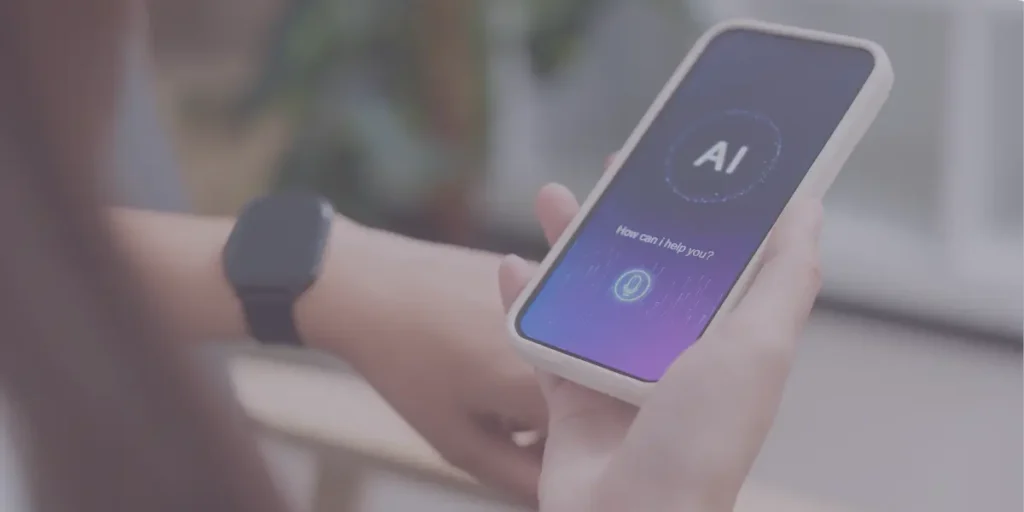
Artificial intelligence is no longer a feature that developers add to mobile apps. In 2026, it has become the foundation on which the most competitive apps are built. The shift from AI as enhancement to AI as architecture represents a fundamental change in how mobile software is designed, and its effects are visible across every category of application.
From Feature to Foundation
The transition is significant. In the previous generation of mobile apps, AI might appear as a recommendation engine suggesting content, or as a chatbot handling basic customer service queries. In 2026, the most advanced apps are architected around machine learning models from the ground up — AI-native applications in which intelligence is woven into every layer of the user experience.
Personalisation engines in these apps now operate in real time, dynamically adjusting content, user interface flows, and recommendations based on current behaviour rather than historical averages. Two users of the same app may rarely see the same interface or content sequence. Onboarding flows adapt to individual comprehension speed. Pricing models shift based on individual engagement depth. Feature discovery is guided by predicted interest rather than static menus.
On-Device Intelligence
A particularly important development in 2026 is the growth of edge AI — machine learning that runs directly on the device rather than relying on cloud servers. Advances in mobile chip design, including Apple’s Neural Engine and Qualcomm’s AI processing units, have made on-device inference fast enough for demanding real-time tasks.
The practical implications are significant. On-device AI enables features that work without an internet connection, processes sensitive data without it ever leaving the device — a meaningful privacy benefit — and reduces the latency that cloud-dependent AI cannot avoid. Real-time language translation, live camera-based object recognition, and sophisticated health monitoring algorithms are among the capabilities that on-device AI is making practical for mainstream app users.
AI in App Development Itself
The impact of AI extends beyond the user-facing experience into the development process. AI coding assistants have become standard tools in mobile development workflows, accelerating the writing of code, identifying bugs, and automating testing. According to McKinsey research, AI-assisted development tools are producing measurable productivity improvements across software teams.
No-code and low-code platforms powered by AI are democratising app creation further. Gartner projects that by 2026, low-code development tools will account for 75% of new application development. This shift changes who can build software — enabling product managers, entrepreneurs, and domain experts without formal programming backgrounds to create functional applications, compressing launch timelines from months to weeks.
Conversational and Predictive Interfaces
Voice and conversational interfaces have matured considerably. Natural language interaction — asking an app to perform tasks through speech or text — is becoming a standard input mode rather than a specialist feature. Amazon’s AI-powered assistant does not merely respond to questions; it predicts what users are likely to need next and offers proactive answers, reducing friction in the user journey and decreasing pressure on human support teams.
Predictive functionality is extending across categories. Productivity apps anticipate next actions based on work patterns. Health apps flag anomalies in tracked data before users notice them. Navigation apps reroute based on predicted congestion rather than current conditions alone.
Personalisation and Privacy
The depth of personalisation that AI enables creates a genuine tension with user privacy. Privacy regulations globally have tightened access to third-party tracking data, pushing developers toward first-party data strategies — learning directly from how users interact with their own app rather than tracking behaviour across the broader internet.
Zero-party data, information that users intentionally share about their preferences and needs, is becoming a competitive advantage for developers who can build the trust required to collect it. The most sophisticated apps in 2026 treat this as a design challenge: creating experiences in which users actively want to share information because the personalisation return is evident and valuable.
Disclaimer
Under no circumstance we will require you to pay in order to release any type of product, including credit cards, loans or any other offer. If this happens, please contact us immediately. Always read the terms and conditions of the service provider you are reaching out to. We make money from advertising and referrals for some but not all products displayed in this website. Everything published here is based on quantitative and qualitative research, and our team strives to be as fair as possible when comparing competing options.
Advertiser Disclosure
We are an independent, objective, advertising-supported content publisher website. In order to support our ability to provide free content to our users, the recommendations that appear on our site might be from companies from which we receive affiliate compensation. Such compensation may impact how, where and in which order offers appear on our site. Other factors such as our own proprietary algorithms and first party data may also affect how and where products/offers are placed. We do not include all currently available financial or credit offers in the market in our website.
Editorial Note
Opinions expressed here are the author’s alone, not those of any bank, credit card issuer, hotel, airline, or other entity. This content has not been reviewed, approved, or otherwise endorsed by any of the entities included within the post. That said, the compensation we receive from our affiliate partners does not influence the recommendations or advice our team of writers provides in our articles or otherwise impact any of the content on this website. While we work hard to provide accurate and up to date information that we believe our users will find relevant, we cannot guarantee that any information provided is complete and makes no representations or warranties in connection thereto, nor to the accuracy or applicability thereof.
More articles
How to Choose, Use, and Manage Mobile Apps Effectively in 2026

Mobile App Security and Privacy in 2026